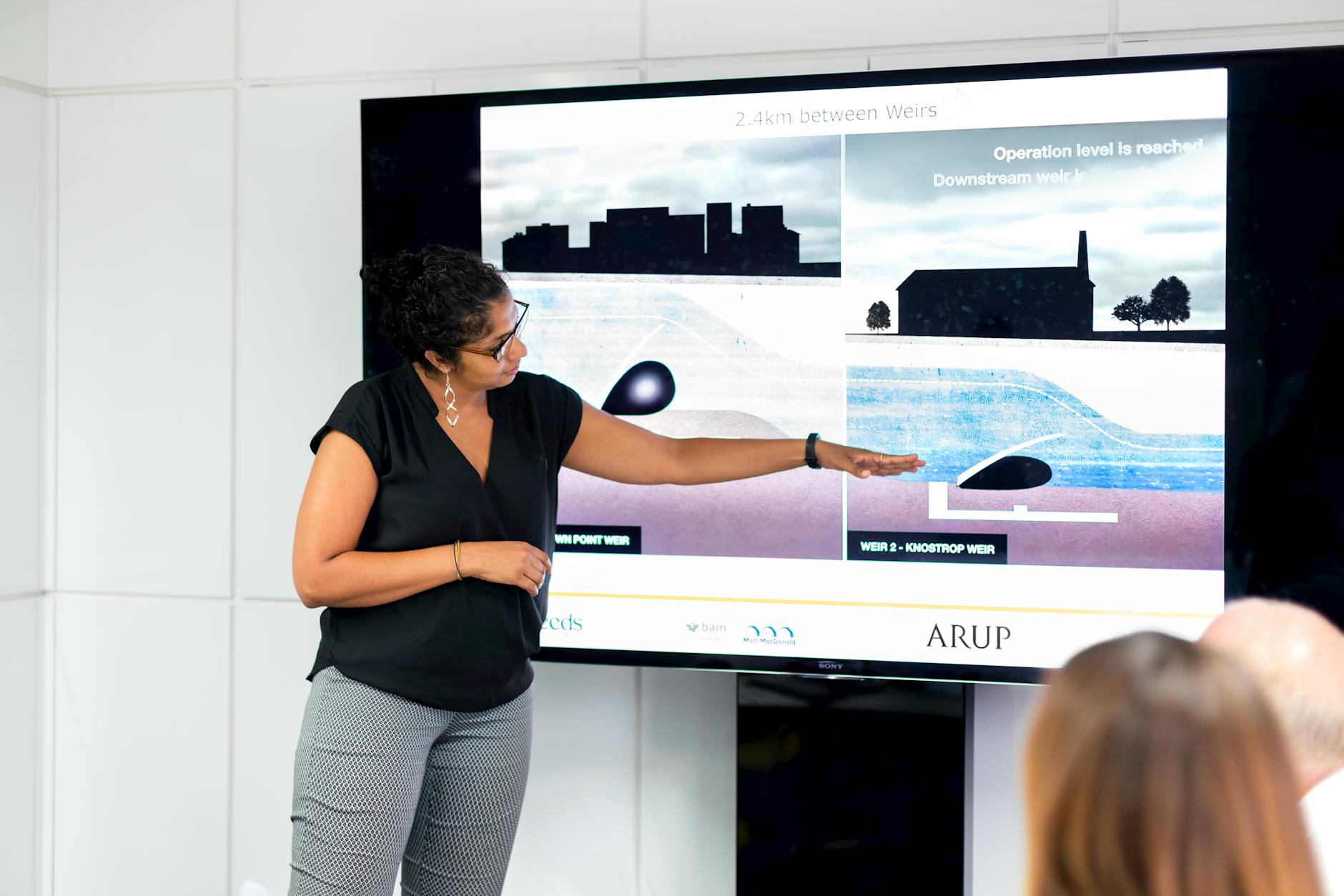
When was the last time you planned a workshop for colleagues? Presenting workshops is part of my job, so it is something I enjoy doing. However, I tend to forget how long it takes to create, prepare and then practice a workshop before presenting it. Below you’ll find some tips on how to create an engaging workshop. It will still take plenty of time, but with preparation, you are sure to present a quality workshop.
Define clear objectives:
Determine what you want participants to learn or achieve by the end of the workshop. Clearly outline these objectives at the beginning to set expectations.The objectives can be in the form of an agenda or part of your introduction. This backwards design framework is also how courses are developed. Begin with the end in mind.
Know your audience:
Understand the demographics, interests, and knowledge level of your participants. Tailor your content and delivery style to resonate with them. I’ve been to too many workshops where the speaker assumed I either didn’t know anything about the topic or I knew almost everything about the topic. In either case, it was hard to follow the presentation because I was either bored or lost.
Structure your workshop effectively:
Divide your workshop into clear sections with a logical flow. Start with an introduction, followed by the main content, interactive activities, and a conclusion. This structure seems to make perfect sense, but you’d be surprised how many workshops do not follow a clear and organized plan, so it becomes hard to follow and pay attention.
Keep it interactive:
Incorporate activities, group discussions, and exercises to keep participants engaged. You may need to encourage participation since many virtual presentations allow participants to do other tasks. It’s so easy as an audience member to disengage and not pay attention as soon as a distraction occurs. However, when the workshop includes activities, discussions, and questions, it becomes much more difficult to disengage. When the audience is engaged and actively participating, the workshop comes to an end quickly for both the presenter and the audience, and participants leave with a positive impression.
Keep it relevant and practical:
Focus on delivering information that is useful and applicable to participants’ needs and interests. Provide practical tips, examples, and case studies they can relate to. In order to do this appropriately, it is important to know your audience and your goals for the workshop. If it’s impossible to know your audience before the workshop begins, ask a couple of questions in the beginning to find out more. You may need to somewhat adjust your presentation to fit their needs, so be prepared with a plan B to keep your audience engaged.
Engage with storytelling:
Use anecdotes, real-life examples, or case studies to illustrate key points and make the content more relatable and memorable. People love stories and will remember your main points more readily when you get their attention with a story. The story should be short but also engaging. It is a great way to begin the presentation and then at the end, you can cleverly work your way back to the main point of the story.
Encourage questions and feedback:
Create a welcoming environment where participants feel comfortable asking questions and sharing their thoughts. Address queries promptly and encourage peer-to-peer interaction. If you present an approachable and supportive atmosphere where the audience members feel valued, they will participate more readily and learn so much more. Whenever possible, solicit feedback from participants after the workshop. Ask them to identify strengths and areas for improvement. Use this feedback to refine future workshops and enhance your presentation skills.
Conclude with a call to action:
Be sure to summarize key points and challenge your audience members to take the first step. Make suggestions as to what they might do to make a change or seek more information.
 Learning by Design