Parents naturally want the best for their children. They want them to be healthy, successful, and happy. To achieve these goals, it is important to expose young children to different experiences, so they are ready to begin school. It is during early childhood when children’s brains reach 80% of their full adult volume, so it is vital to intentionally provide them with opportunities to participate in a variety of activities.
There are five overlapping domains that indicate a child’s readiness for school and learning: language and literacy, general knowledge, approaches to learning, motor development, and social emotional development. With a little creativity and a few ideas, parents can easily help their children learn while at home.
Language and Literacy
Spend time reading to your children. Of course, reading at bedtime is a common routine in many households; however, you should do more than just the nightly routine of a bedtime story. Read throughout the day. Read road signs, grocery lists, recipes, and birthday cards. Talk to your children often. Explain what you are doing, tell them a story, and ask them questions. Adding to their vocabulary through reading and asking questions positively impacts their emerging literacy.
Try to connect what you read with activities you do with your child. For example, if you read about rabbits or puppies, take a trip to a pet center where your child can see the real thing. Before you go to the grocery store, allow your child to help “write” the grocery list or separate coupons. Along with these experiences that help them connect books and words to real life, expose your preschooler to a variety of print. Let them “read” menus, greeting cards, postcards, and mail. The more exposure your child has to print, the more prepared she is for learning how to read.
General Knowledge
Helping children understand the world around them and how things work help boost their general knowledge. Create an environment where children are encouraged to ask open-ended questions. When they are comfortable asking questions, they begin to understand how things work, and they develop a curiosity about things they are interested in. The learning they uncover gives them background knowledge that can be applied to reading comprehension and other essential academic skills. While at dinner, during bath time, and at bedtime, parents can begin asking questions. For example, if your stuffed animals could talk, what would they say? Or, where do you think the water goes after your bath? These questions will prompt the children to follow your lead and begin asking questions of their own.
Approaches to Learning
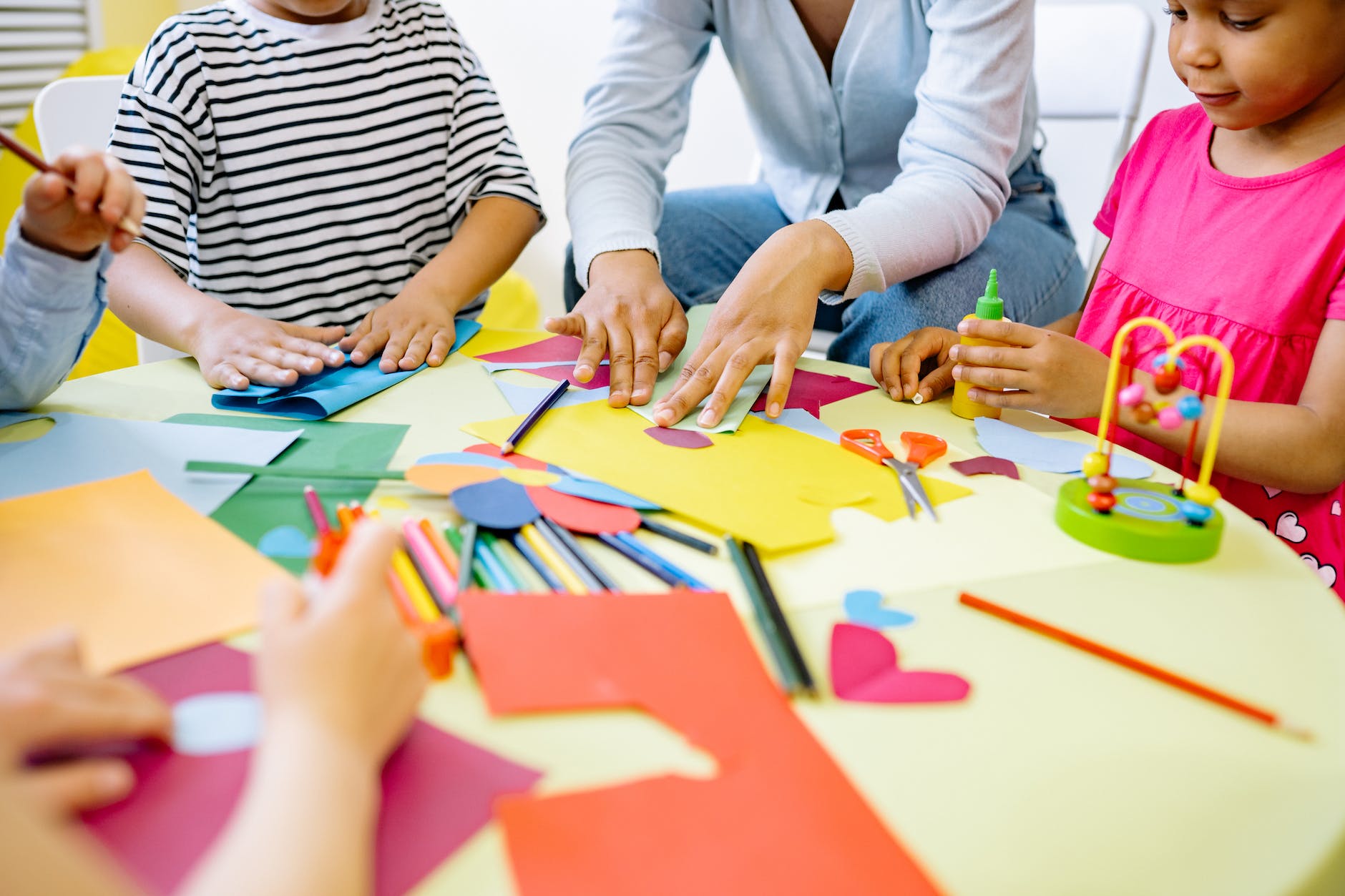
Provide children with toys that encourage exploration, and then allow them the time to explore and complete a task. Children need to understand the importance of completing tasks, so encourage them to finish what they start. Give them crayons and paper, so they can draw a picture. Give them blocks for stacking. Schedule play dates so they have plenty of opportunities to be with children of similar ages, which helps them better understand collaboration. Allow them to help with recipes or picking up toys. Children love to create, so schedule regular sessions where they use their hands to create models with playdough or draw pictures with shaving cream. All of these activities help build persistence, creativity, and independence.
Motor Development
Physical well-being and fine motor skills are important aspects of school readiness. Give children opportunities to run, hop, and walk. Let them throw and catch a ball. Teach them active games, so that physical activity is a positive experience for the entire family. Children love to explore, and the outdoors provides them the freedom to investigate nature. While outside, children will find acorns, insects, flowers, leaves, and birds. Their natural curiosity encourages them to discover and ask questions, so adults can explain how trees grow and insects eat. Playing outside creates opportunities for hands-on learning where children investigate the natural world. They can feel the mud and smell the flowers rather than remaining indoors and watching a television show about nature. It is imperative that our school aged children are given every opportunity to explore nature to ensure success in the classroom and in life.
Along with physical well-being, provide children experiences that help them with fine motor skills. One of the most difficult academic challenges for children in school is learning how to write. Holding a pencil and forming the letters can be frustrating, so begin working on fine motor skills early. From learning how to fasten a button, zip a zipper, and use scissors, children can practice and improve their fine motor skills beginning at an early age.
Social Emotional Development
Create opportunities where children are exposed to people of all ages. They need to understand how to interact with both children and adults before school begins. Schedule play dates as well as participation in sports or other hobbies where an adult such as a coach is involved. When you invite other children to your home, create activities where the children can share and work together to construct or solve a problem. They can make puppets out of socks or paper bags and then perform a show. Construct a map and send the children on a scavenger hunt where they must follow clues and answer questions to find the objects.
You can help your children succeed in school by offering a variety of opportunities where they engage in creative play, build skills, and interact with others. Children are curious and want to spend time with you, so seize every moment and engage them in learning activities.
 Learning by Design