Fine Motor Skills and School Readiness

Photo by cottonbro studio on Pexels.com

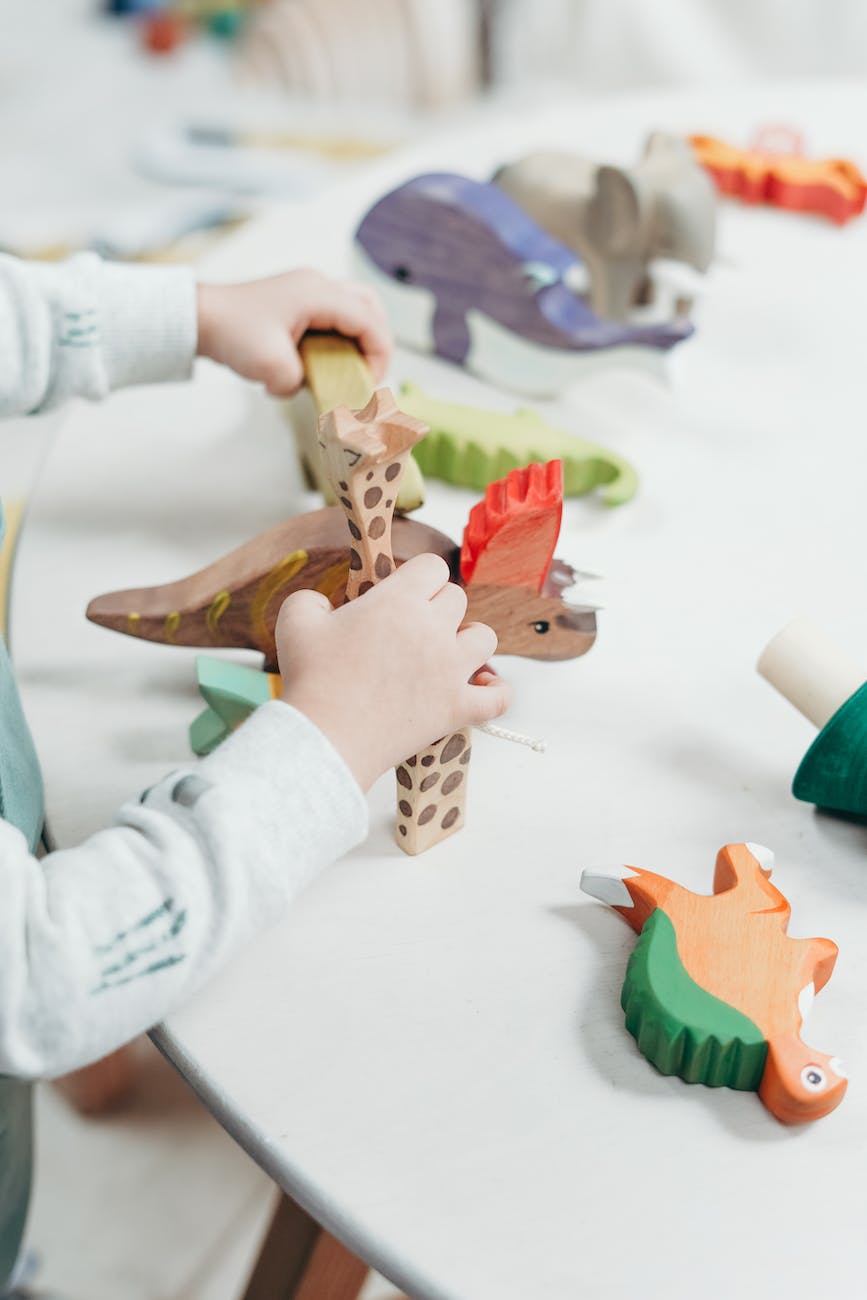
Getting your toddler ready for preschool and kindergarten begins early. Along with developing gross motor skills such as getting out of bed, running, jumping, and riding a bike, it is important to develop fine motor skills. These skills allow for increasing independence because they include buttoning buttons, working zippers, handling crayons, and brushing teeth. Fine motor skills help to create the building blocks connected to learning in later years. So, practice these skills often with your child and she will be well on her way for school readiness.

School requires students to write and draw for extended periods of time, so it is important to begin strengthening muscles in the hand, wrist, and fingers. Children develop fine motor skills at different rates, and this is completely normal. It is important to remember that comparing children and their rates of development may be natural but are not recommended. So, rather than comparing children, learn methods on how you can help your child with how to develop fine motor skills.

You can help your child develop these skills through play. Afterall, play is how children learn and build strength, so get on the floor with your little one and try some of these activities.

Blocks and LEGOS

As soon as your child can sit on her own, she can begin playing with blocks. As time progresses, show her how to stack the blocks into one tower or a wall. Try to work towards a tower of ten blocks. When your child is old enough, she can play with LEGOS and work to connect the pieces. These simple activities help to improve strength and fine motor skills.

Finger Painting

Finger Painting not only builds fine motor skills, but it also helps with creativity. You can work on learning colors and also creating shapes. But, just the act of using fingers to paint helps with understanding the process of “pen to paper” as well as individual finger strength.

Puzzles and Games

Building puzzles as a family is a fun activity that brings everyone together. All can play a part of finding the puzzle pieces but let your little one place the pieces together. Begin with large and age-appropriate puzzles. Eventually, you can challenge your child with smaller and more intricate pieces.

Also, play board games that involve rolling dice. You can play card games such as Go Fish, so your child can work on holding the cards and removing or adding cards. These skills can be intricate for tiny hands, but eventually the skills and strength will improve. You can begin with helping your child hold 2 or 3 cards and then gradually add more. 

Set the Table and Pour Drinks

Give your child the responsibility of setting the dinner table. The act of placing the utensils beside each plate and folding napkins create stronger hands and fingers. As your child gets older, you can help them pour drinks until she can do this task on her own.

Other Ideas

Use a hole puncher

Play with clay

Use a cookie cutter and roll dough

Make mud pies

Place rubber bands around a can

Cut-out simple shapes

Color with crayons

Draw with markers, pen, pencil

Regular practice with all of the above ideas will help your child with fine motor skills. When school begins, she will be ready to take part in all of the fun activities that school has to offer.

How to Finish the School Year Strong

Photo by RODNAE Productions on Pexels.com

The weather is warmer, the days are longer, and the end of the school year is just around the

corner. Whether it is playing sports, working a job after school, or hanging out with friends, it seems

students are busier this time of year. Students can see the end of the school year as summer fever sets in, and it is

more difficult to remain focused on school responsibilities. How do students remain focused on

finishing the school year strong? Here are a few tips on how you can help your child get through the

rest of the school year without missing a step.

Revisit Goals

When your child returned to school after the winter break, you probably discussed goals for the

school year. Maybe your child wanted to get an A in science or improve by a letter grade in English

class. Whatever the goals were, now is the time to remind your child of them.

If you did not set goals, you still have time to have this conversation. Help your child set goals for the

remainder of the year. These goals should come from your child with your guidance. Your child must

have buy-in, so make sure she comes up with the goals. Once the goals are set, begin a plan on

how to reach each one.

Stay Organized

Since this time of year tends to disrupt your regular winter schedule, create a new routine that works

with all of the new springtime activities. Sit down with your child and her planner. Students who are

typically really good about writing down their assignments in their planner tend to stop keeping track

during this time of year. Help them discover their planner again so they can get themselves

organized. Set a time aside each evening to ask about the planner and then check-off all of the

completed tasks. Also, you may want to model this behavior by keeping a family calendar to stay on

top up of all the extra activities.

Get Motivated

Remind your children what they’ve worked for during the school year. Now is not the time to give up

as the end is approaching. Explain to them that this is the time when they must get motivated to

finish strong. You can help them set-up some type of rewards and incentives program. You know

your child and what helps them stay motivated, so assist them with achieving their goals through

incentives. Your children should want to finish strong, so the incentives/rewards should be small

such as serving their favorite dinner or allowing extra time on a video game.

Take Advantage of the Weather

The weather this time of year is beautiful, so encourage your children to go outside and get fresh air.

You can set-up a place for them to do homework outside or use the outdoors for study breaks. After

studying for an hour, there’s no need to stay cooped up. Take a walk. Enjoy the weather, which can

be refreshing and motivating.

Check Your Own Motivation

Your kids aren’t the only ones ready for a break from the hectic school schedule. Make sure you

show your own motivation at the end of the school year. Ask your children if they need help studying.

Show them that you are still interested in their success. You don’t want them to know how excited

you are for the end of the year, at least not yet anyway.

Don’t Over Schedule Activities

The warmer weather seems to encourage a busier schedule, so try to be acutely aware of how many

activities your kids are involved in. Kids don’t want to miss out on the fun, so they tend to say yes to

any offer. If you have a child who is on the soccer travel team, volunteers at church twice each

week, and babysits most weekends, you need to step in and help her set limits and priorities. Each

activity in this list is worthy, but having an over-scheduled child hampers the focus she needs with

ending the school year strong.

Activities you can do at Home to Help your Child with Learning

Photo by Yan Krukau on Pexels.com

Parents naturally want the best for their children. They want them to be healthy, successful, and happy. To achieve these goals, it is important to expose young children to different experiences, so they are ready to begin school. It is during early childhood when children’s brains reach 80% of their full adult volume, so it is vital to intentionally provide them with opportunities to participate in a variety of activities.

There are five overlapping domains that indicate a child’s readiness for school and learning: language and literacy, general knowledge, approaches to learning, motor development, and social emotional development. With a little creativity and a few ideas, parents can easily help their children learn while at home.

Language and Literacy

Spend time reading to your children. Of course, reading at bedtime is a common routine in many households; however, you should do more than just the nightly routine of a bedtime story. Read throughout the day. Read road signs, grocery lists, recipes, and birthday cards. Talk to your children often. Explain what you are doing, tell them a story, and ask them questions. Adding to their vocabulary through reading and asking questions positively impacts their emerging literacy.

Try to connect what you read with activities you do with your child. For example, if you read about rabbits or puppies, take a trip to a pet center where your child can see the real thing. Before you go to the grocery store, allow your child to help “write” the grocery list or separate coupons. Along with these experiences that help them connect books and words to real life, expose your preschooler to a variety of print. Let them “read” menus, greeting cards, postcards, and mail. The more exposure your child has to print, the more prepared she is for learning how to read.

General Knowledge

Helping children understand the world around them and how things work help boost their general knowledge.  Create an environment where children are encouraged to ask open-ended questions. When they are comfortable asking questions, they begin to understand how things work, and they develop a curiosity about things they are interested in. The learning they uncover gives them background knowledge that can be applied to reading comprehension and other essential academic skills. While at dinner, during bath time, and at bedtime, parents can begin asking questions. For example, if your stuffed animals could talk, what would they say? Or, where do you think the water goes after your bath? These questions will prompt the children to follow your lead and begin asking questions of their own.

Approaches to Learning

Provide children with toys that encourage exploration, and then allow them the time to explore and complete a task. Children need to understand the importance of completing tasks, so encourage them to finish what they start. Give them crayons and paper, so they can draw a picture. Give them blocks for stacking. Schedule play dates so they have plenty of opportunities to be with children of similar ages, which helps them better understand collaboration.  Allow them to help with recipes or picking up toys. Children love to create, so schedule regular sessions where they use their hands to create models with playdough or draw pictures with shaving cream. All of these activities help build persistence, creativity, and independence. 

Motor Development

Physical well-being and fine motor skills are important aspects of school readiness. Give children opportunities to run, hop, and walk. Let them throw and catch a ball. Teach them active games, so that physical activity is a positive experience for the entire family. Children love to explore, and the outdoors provides them the freedom to investigate nature. While outside, children will find acorns, insects, flowers, leaves, and birds. Their natural curiosity encourages them to discover and ask questions, so adults can explain how trees grow and insects eat. Playing outside creates opportunities for hands-on learning where children investigate the natural world. They can feel the mud and smell the flowers rather than remaining indoors and watching a television show about nature. It is imperative that our school aged children are given every opportunity to explore nature to ensure success in the classroom and in life.

Along with physical well-being, provide children experiences that help them with fine motor skills. One of the most difficult academic challenges for children in school is learning how to write. Holding a pencil and forming the letters can be frustrating, so begin working on fine motor skills early. From learning how to fasten a button, zip a zipper, and use scissors, children can practice and improve their fine motor skills beginning at an early age.

Social Emotional Development

Create opportunities where children are exposed to people of all ages. They need to understand how to interact with both children and adults before school begins. Schedule play dates as well as participation in sports or other hobbies where an adult such as a coach is involved. When you invite other children to your home, create activities where the children can share and work together to construct or solve a problem. They can make puppets out of socks or paper bags and then perform a show. Construct a map and send the children on a scavenger hunt where they must follow clues and answer questions to find the objects.

You can help your children succeed in school by offering a variety of opportunities where they engage in creative play, build skills, and interact with others. Children are curious and want to spend time with you, so seize every moment and engage them in learning activities.

School Readiness and Development

Parents naturally want the best for their children. They want them to be healthy, successful, and happy. To achieve these goals, it is important to expose young children to different experiences, so they are ready to begin school. It is during early childhood when children’s brains reach 80% of their full adult volume, so it is vital to intentionally provide them with opportunities to participate in a variety of activities. According to the Department of Education, there are five overlapping domains that indicate a child’s readiness for school: language and literacy, general knowledge, approaches to learning, motor development, and social emotional development.

Language and Literacy

Spend time reading to your children. Of course, reading at bedtime is a common routine in many households; however, you should do more than just the nightly routine of a bedtime story. Read throughout the day. Read road signs, grocery lists, recipes, and birthday cards. Talk to your children often. Explain what you are doing, tell them a story, and ask them questions. Adding to their vocabulary through reading and asking questions positively impacts their emerging literacy.

General Knowledge

Helping children understand the world around them and how things work help boost their general knowledge.  Create an environment where children are encouraged to ask open-ended questions. When they are comfortable asking questions, they begin to understand how things work, and they develop a curiosity about things they are interested in. The knowledge they uncover gives them background knowledge that can be applied to reading comprehension and other essential academic skills. Parents can begin by asking them questions about the world around them, and soon children will follow this example and begin asking questions of their own.

Photo by Alexander Grey on Pexels.com

Approaches to Learning

Provide children with toys that encourage exploration, and then allow them the time to explore and complete a task. Children need to understand the importance of completing tasks, so encourage them to finish what they start. Give them crayons and paper, so they can draw a picture. Give them blocks for stacking. Schedule play dates so they have plenty of opportunities to be with children of similar ages, which helps them better understand collaboration.  Allow them to help with recipes or picking up toys. All of these activities help build persistence, creativity, and independence. 

Motor Development

Physical well-being and fine motor skills are important aspects of school readiness. Give children opportunities to run, hop, and walk. Let them throw and catch a ball. Teach them active games, so that physical activity is a positive experience for the entire family. Along with physical well-being, provide children experiences that help them with fine motor skills. One of the most difficult academic challenges for children in school is learning how to write. Holding a pencil and forming the letters can be frustrating, so begin working on fine motor skills early. From learning how to fasten a button, zip a zipper, and use scissors, children can practice and improve their fine motor skills beginning at an early age.

Social Emotional Development

Create opportunities where children are exposed to people of all ages. They need to understand how to interact with both children and adults before school begins. Schedule play dates as well as participation in sports or other hobbies where an adult such as a coach is involved. Help your children develop empathy, so when squirmishes evolve on the playground, they have the ability to understand how the other child might feel. Along with empathy, your children must understand the importance of sharing, so by providing multiple interactions with others, they will gain experiences involving sharing and collaboration.

You can help your children succeed in school by offering a variety of opportunities where they engage in creative play, build skills, and interact with others.

The Anxiety of Returning to School

Photo on Pexels.com

The Anxiety of Returning to School

Young people are experiencing anxiety and depression more than any other age group. Students experience stress and anxiety during a normal school year, so with the pandemic, monkey pox, inflation, and all of the uncertainty, it is important to pay attention and look for signs that your child is struggling.

For those returning to school in a few weeks, the anxiety and fear can be palpable. It is important to understand that anxiety is the most common emotional problem in children. Kids can develop crippling worries about many things, from germs to taking a test, to their parents dying. Some anxious kids are painfully shy and avoid things that other kids enjoy. Some have tantrums and meltdowns, and others develop elaborate rituals, like compulsive hand washing or scratching.

As a parent you may be experiencing anxiety in your own life as you struggle with the present economy. This anxiety may cause sleepless nights, headaches, and irritability. Your child sees what is happening to you and can sense your anxiety. It is important to talk to your child and let her know that everything will be okay. Most likely, your child may be worried about separating from you when she returns to school.

Similar to adults, children with anxiety may become irritable and angry. They also might have outbursts and have trouble sleeping. Their physical symptoms might include fatigue, headaches, or stomachaches. Some children keep their worries to themselves, so you may miss symptoms. Whether you notice symptoms or not, the suggestions below will help your child with reducing anxiety as she faces the many changes ahead.  

Validate Feelings

You must validate your child’s feelings while also reassuring her that everything will be okay. It is not the time to brush it off or dismiss feelings that may seem small to you. Allow your child to explain exactly what is causing the stress. Is she afraid of getting sick? Is she worried about being separated from you? Is she concerned that she won’t make friends? Whatever the fear, allow her to talk about it. You need to acknowledge it but also let her know that it is going to be okay. If she explains that she is going to miss you, then tell her that you’ll miss her too. Express your confidence that she can return to school and have a great experience. Also, explain that so many other children are also feeling the same way; she is not in this alone.

Set the Tone

You want to be positive with your child about returning to school. It is not the time to ask probing questions or show your own anxiety, but it is the time to discuss all of the fun it will be to see her friends and her teacher. You need to lead the charge and talk about the exciting things that will take place at school. You can also explain what you’ll be doing, so that she knows you also have things to do. If you are separating from a younger child, you may want to give her a little reminder from home. You could let her have a puzzle piece or a stone. It should be small but something that can remind her of home. Also, remind her that the school day is not that long and after learning so much and having fun, the day will pass by quickly and soon it will be time for dinner.

Create a Routine

Over the last several months, you’ve created a routine with your child. Now is the time to establish a new one. Routines help children feel safe and secure, so establish your new routine quickly. You want your child to know she can count on certain things to occur. After the school day, give her time for a snack and then let her get started on her homework. She can have time on the computer, outside, or watching a television show. Establish the routine that makes sense for your family; however, you must also be flexible. Schools may close again and return to remote at any time, so prepare your child for the possibility.

There is no one-size-fits-all solution for anxiety. But, the general strategies above will help you and your child work through it no matter what the future holds.

For More Information: Signs of Anxiety in Young Kids